
One aspect of the current craft beer scene is the plethora of new breweries making amazing beer. I have written about how this has jolted older breweries into stepping up their game making better beer be available across-the-board. But what fascinates me even more is that there are breweries that are over 100 years old making craft beer. Two of the oldest breweries in the country are what I consider craft breweries. Many of these breweries got their start making very good lagers, and have changed with the times. This excites me as I appreciate the craftsmanship and history of these breweries. And as a historian, I occasionally want to write a piece about the history of brewing in America.
So I am going to talk here about the breweries still in existence that can trace their history back to before World War I. The big three got their start during this time too, and I will gloss over them, but I’m also going to describe what I consider regional breweries. It may be a stretch to call a couple of them craft breweries, but they are still making full bodied American lagers which largely disappeared from the American market with the introduction of light beer. These breweries such as Wilkes Barre’s Lion Brewing have long been producing family recipes that are a cut above what I consider domestic beer. Some of them are independent, and a lot of them have seen multiple owners across the years. I also feel their history is vital to the story I am telling. So I will start in 1829, and go forward.
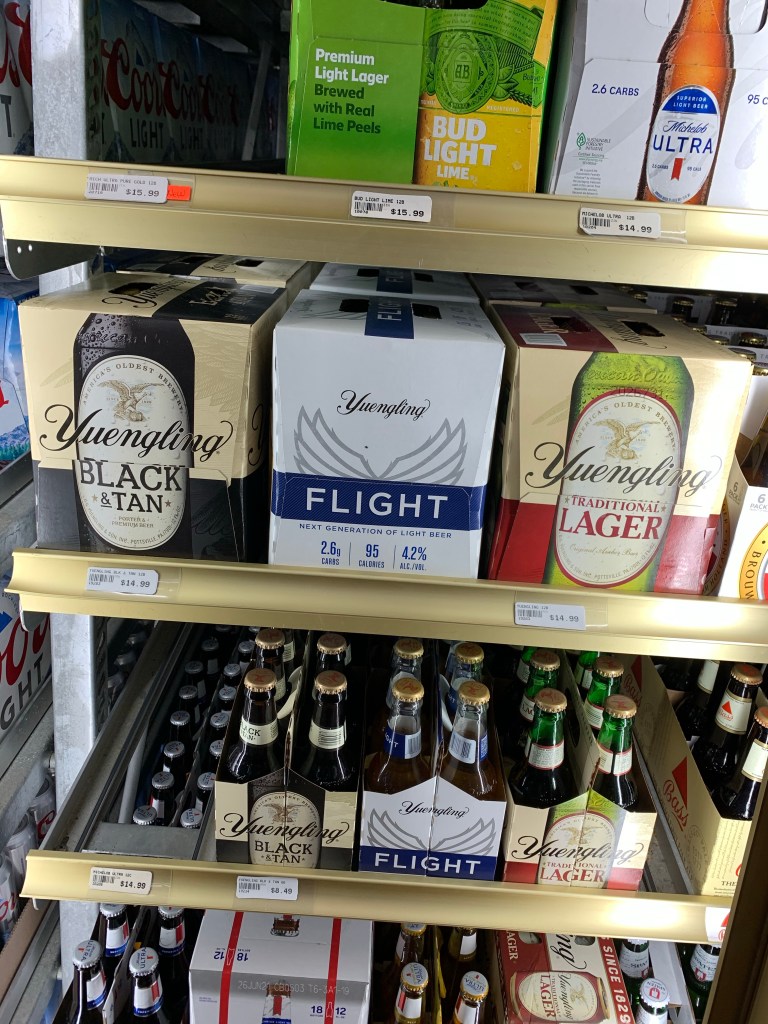
If you’ve been drinking beer for any amount of time, then you are aware that D.G. Yuengling is the oldest Brewery in the United States. They were founded in 1829, in Pottsville, Pennsylvania, and have been making great beer for most of that time. Their Porter, and Chesterfield Ale, are two of my favorite beers made by them, and the Black & Tan is a blending of those two beers. Recently they collaborated with fellow Pennsylvanian company Hershey on a chocolate Porter which has gained quite a bit of notoriety. When most people think of Yuengling, it’s the lager which comes to mind. I personally enjoy that beer and have been drinking it for over two decades. I enjoy its full flavor, and it’s a good session beer.
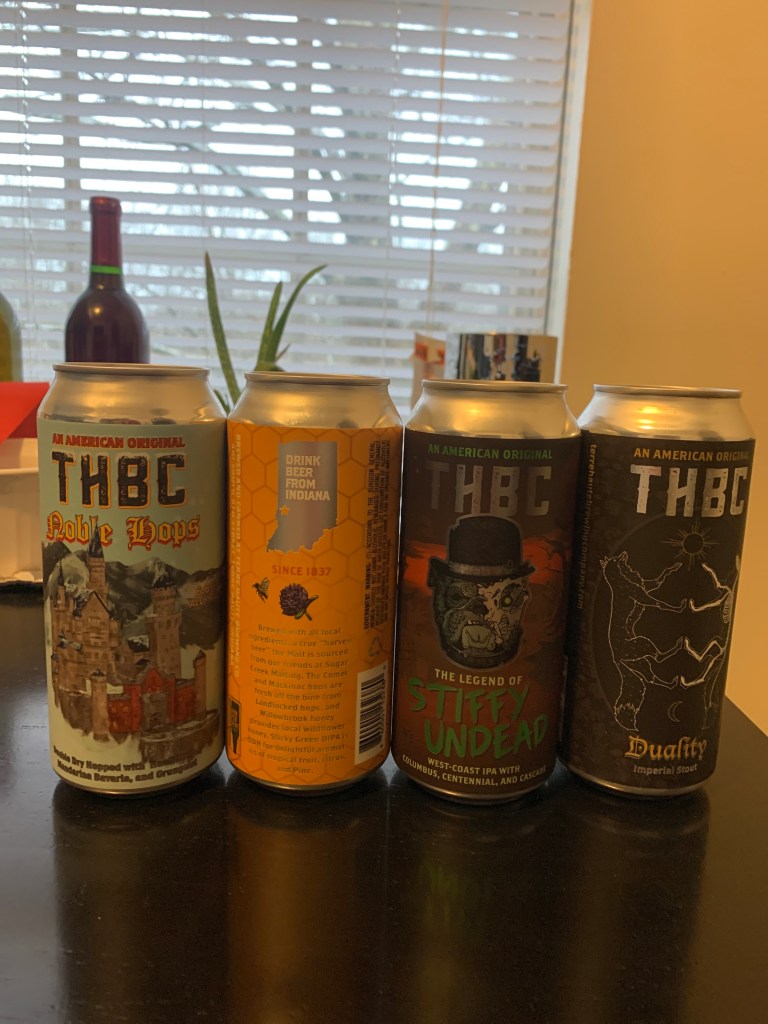
I currently live near Terre Haute, Indiana, so it excites me greatly to be so near the second oldest brewery in America! While they may not have been operating the entire time, this author feels there’s no reason to overstate this point because prohibition shut most of the breweries I’m covering down for over a decade, at least for the process of making beer. While their story begins in the 19th century, it was the introduction of Champagne Velvet in 1904 which gained them quite a lot of popularity well into the 1960s. With a recipe using flaked corn, it was a variation of the Cream Ale, and a NA version was made during prohibition. Throughout much of the early 20th century, their lineup included pale ales, stouts, and other beers we would consider craft styles.
In the latter part of the 20th century, The Terre Haute Brewing Company would see national distribution, and the ownership by larger breweries until ultimately Mike Rowe got the ownership of Champagne Velvet back from Pabst around 2000. They produced the beer for a while, and now currently that brand name belongs to Upland in Bloomington who gives justice to the beer’s legacy. The Terre Haute Brewing Company was never really gone, and in 2015, they began brewing the excellent craft beer that people across the state of Indiana are now currently enjoying.
New York City’s F.M. Schaefer was founded in 1842 by German immigrants who produced excellent beer that was served at both Brooklyn Dodgers and New York Mets games. They saw much success in the early 20th century, and were ultimately purchased by Strohs in 1982, who were purchased by Pabst in 1999. Now after 40 years, Pabst is resurrecting this Manhattan breweries legacy in the city.
Speaking of Pabst, they can trace their lineage back to 1844, making them the third oldest brewery in the country. They are best known for their Blue Ribbon which is a very tasty full bodied American Lager. It has a cult following which makes its way even into craft beer drinking groups. But they are venturing into true craft beer with a lot of their recent releases. They make a very good hard coffee ale, as well as an Irish ale called McSorely’s. They also own the rights to other beers like Ballantine which are excellent ales. Whatever else you may think about them, they clearly straddle what I consider to be craft beer.
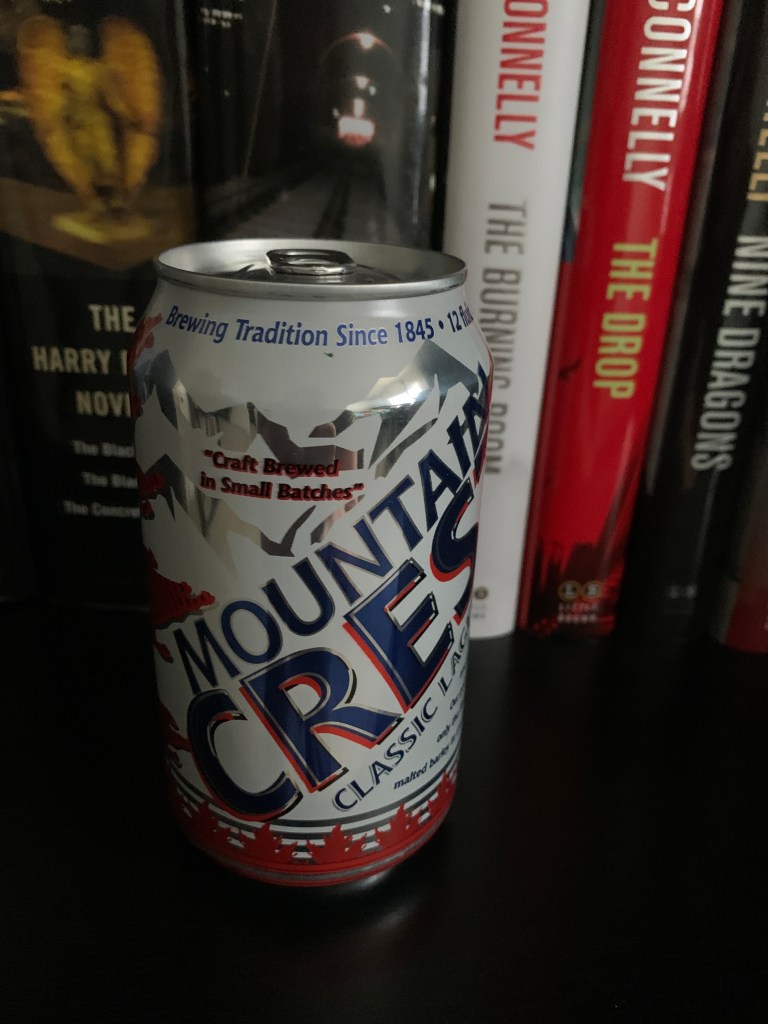
Minhas Craft Brewing was originally the Joseph Huber Brewing Company who started way back in 1845. They had a rich history of making a wide variety of beers, and even made the Berghoff line for the famous restaurant in Chicago. While they are widely known for their full bodied American lagers like Mountain Crest and Boxer, they produce dozens of craft beers in their Lazy Mutt line. I appreciate all that they have done for American Brewing, and I’m a big fan this this brewery!
Hudepohl-Schoenling became “Cincinnati’s brewery” in 1986 when these two giants merged, and Hudepohl can trace their history back to 1852. They do a lot of contract brewing, and still make some nice beers, including the Hudy Amber. Christian Moerlein Brewing, also from Cincinnati and no youngster to the game starting back in 1855, now owns the rights to these beers. I’ve enjoyed a lot of beers from Christian Moerlein who are continuing the legacy of these ancient Cincinnati Brewers!
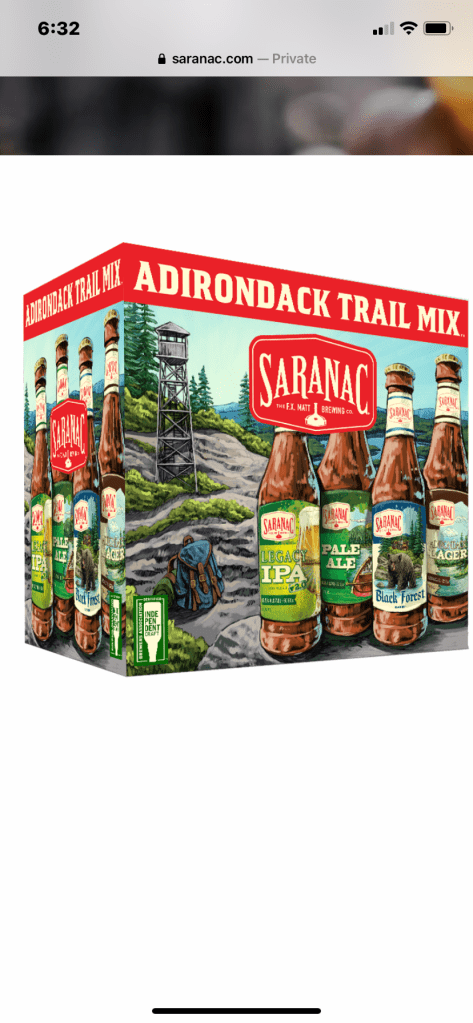
FX Matt Brewing in Utica, New York can trace their lineage back to 1853. I have enjoyed beer made by this brewery for a very long time because their Saranac labels were some of the first craft beers I was able to try back in the late 90s. They also contract brew for many breweries, and continue to be active. If you live on the eastern seaboard, the Saranac beers are widely available.
It was about this time that two of the largest breweries in the country also got their start. In 1852, Anheuser-Busch began brewing in St. Louis. Three years later Miller opened the doors in Milwaukee. I would like to think that the beer they were making back in the 1850s was probably quite good by today’s standards. What is really interesting is that both these breweries started small. And just like all the other stories I’ve told, they worked hard to get their start, and it was only people like Adolphus Busch, and Frederick Miller who used their marketing skills to get national distribution. I like the history of brewing in America, and even the story of the big three has exciting twists!
1855 also saw the beginnings of what would become the Genessee Brewing Company in Rochester, New York. They have long been making full body lagers, and even a cream ale. I recently tried a honey brown from them. I looked at Untapped for this article, and I am happy to see them venturing into craft beer.
Stevens Point Brewing is from the town of the same name in Wisconsin. They opened shop in 1857, and have been operating out of their tiny brewery ever since. Their distribution is limited, but I have been able to get it from time to time here in Indiana. I looked at the beer they’re making on Untapped, and I think I need to make a trip there sometime soon!
The last brewery that I will cover that opened shop prior to the Civil War is the August Schell Brewery from New Ulm, Minnesota. Since 1860, they have been making beer that has always been a cut above regular domestic beer. Their distribution is also limited, but on a trip to Wisconsin a few years ago, I got a six pack of their Fort Road Helles. It was a flavorful beer, and just thinking about it makes me want to try another beer by this brewery!
The Frankenmuth Brewery, in Frankenmuth Michigan can trace their ancestry back to 1862. I had a few beers from them a few years back when they were distributing in Indiana. I enjoyed everything I remember trying which included the Dunkel, and an IPA. The breweries that I’ve mentioned in the above paragraphs are all doing well because they are all well-established breweries making craft beer. The current environment is friendly to such breweries, and I’m happy to see breweries with over 150 years still doing well!
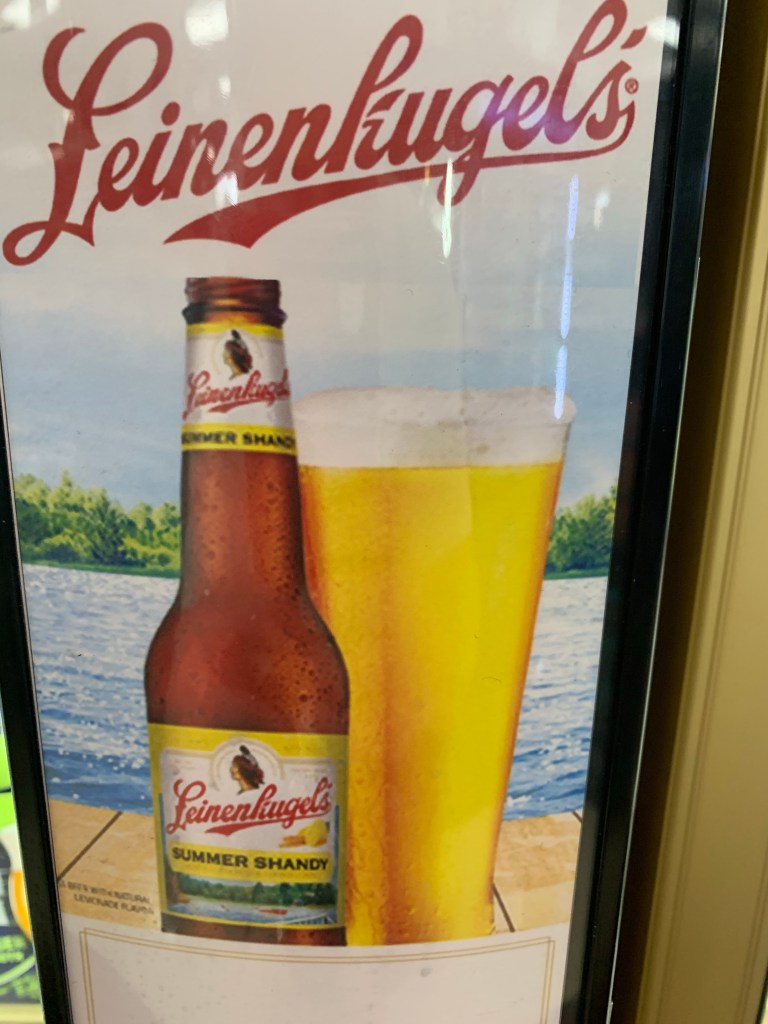
In 1867, Jacob Leinenkugel opened his brewery in Chippewa Falls Wisconsin. They eventually became one of the most popular brewers in Wisconsin. I have always been a big fan of Red Ale which I used to enjoy every time I visited Chicago. They are owned by Miller Brewing, but still remain autonomous. While their Shandy’s have gained immense popularity, it is there other beers that I still find very palatable, and exciting. Their Fireside Nut Brown, and Snowdrift Vanilla Porter are two of my favorite.
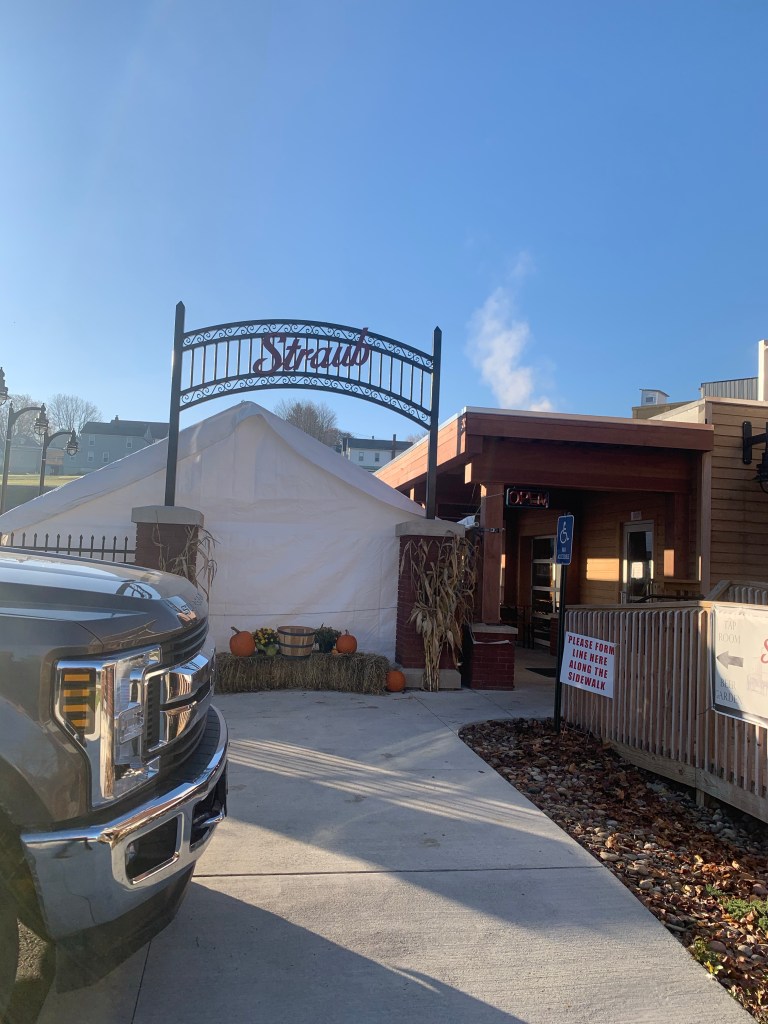
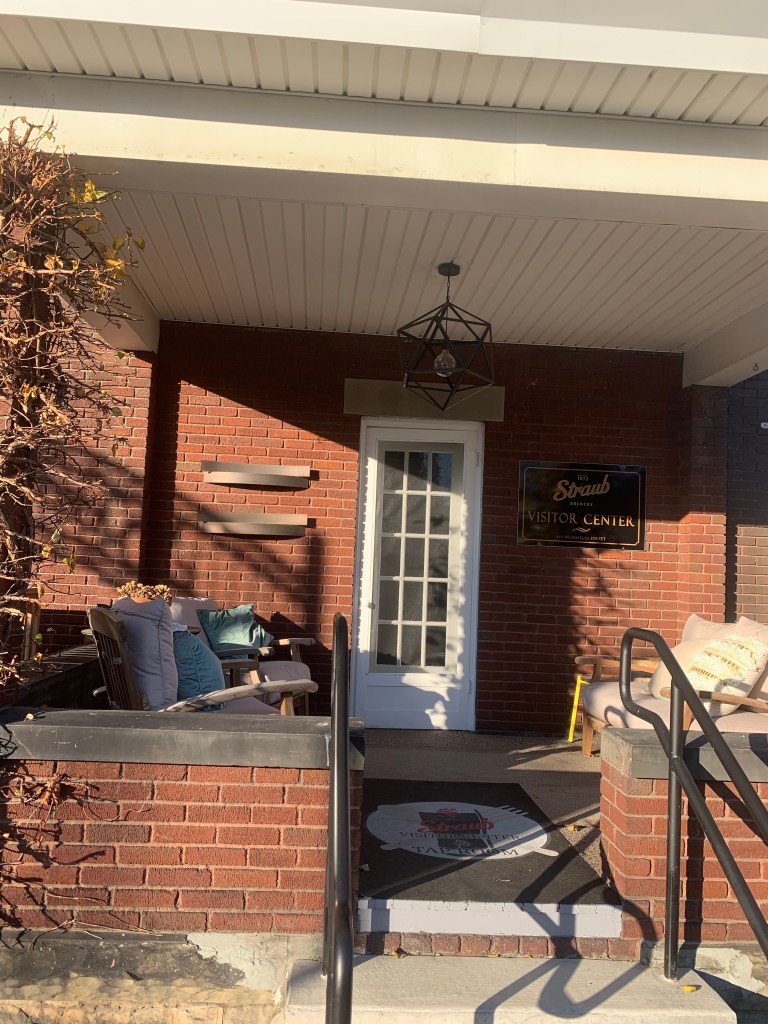
Straub Brewing in St. Mary’s Pennsylvania has a Brewing heritage that goes back to 1872. Family owned and operated, they have long been making excellent beer. I have been a big fan of the Straub Dark ever since I tried it. They now produce a large variety of craft beers alongside their traditional Pennsylvania lagers. I would’ve liked to have visited the brewery in November, but I drove by well before they opened, and could only get a picture.
In 1873, Coors began brewing in Golden Colorado. For a long time they were highly sought after beer when they were only available west of the Mississippi. There is even a famous movie made about a beer run for it which I don’t have to even mention by name! There is nothing craft related about current Coors products, but I would like to say that the Blue Moon line are excellent beers that I can enjoy because of the style!
The Third Street Brewhouse in Cold Spring, Minnesota can trace it’s ancestry back to 1874 when it was started by George Sargel who named the brewery Cold Spring Brewing. This brewery has always tried to be different from domestic American breweries. In 2012, they became the brewhouse that they are now. I don’t know anything about this brewery, but I am very glad to include them in my article.
I have already mentioned Berghoff, and they began brewing their own beer around 1887 in Fort Wayne, Indiana for the restaurant in Chicago. By 1898, they were brewing in Chicago. Later, they had their beer brewed at Huber and even owned the rights to that brewery. In 2018, They began brewing their own beer on Adam’s Street in Chicago.
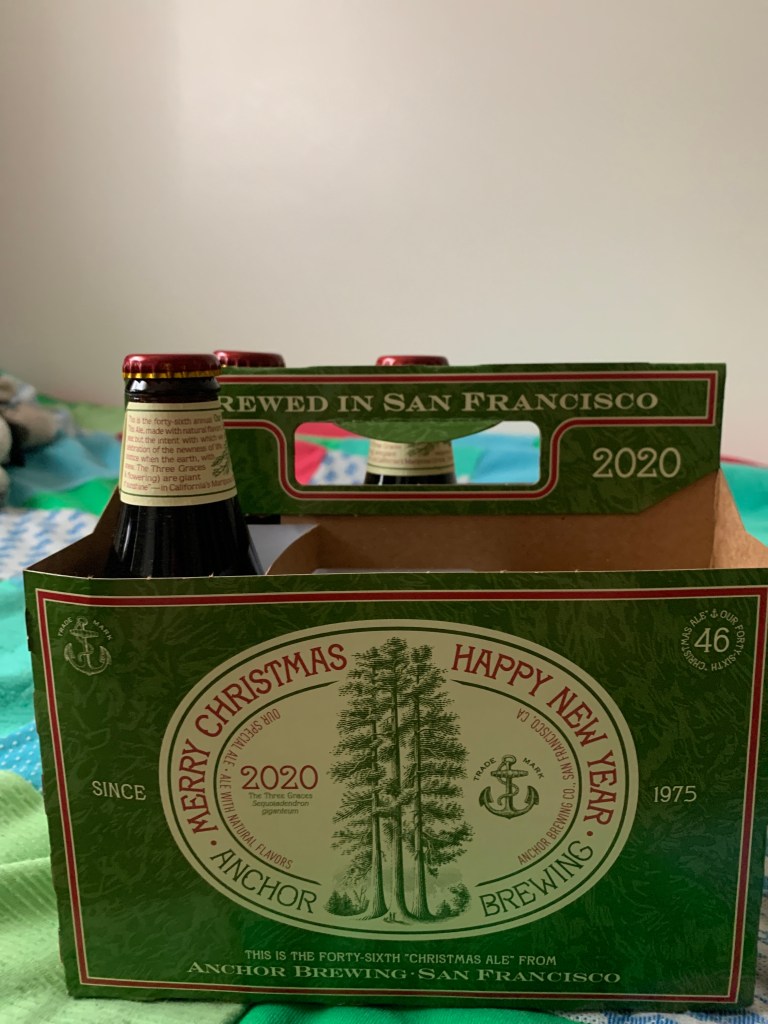
Anchor Brewing can trace their ancestry back to 1896 in San Francisco. The brewery was about to go under in 1965 when Fritz Maytag purchased the company, and saw this brewery be revitalized in the early years of what would become the first wave of the craft beer movement. The Anchor Steam Beer is a legacy to the old gold rush beers, and an excellent example of what some people refer to as a California common ale. I have had most of the beers they make, but it is their Christmas Ale that I most enjoy. I have had every variant since about 2004, and I like that they change the recipe slightly each year.
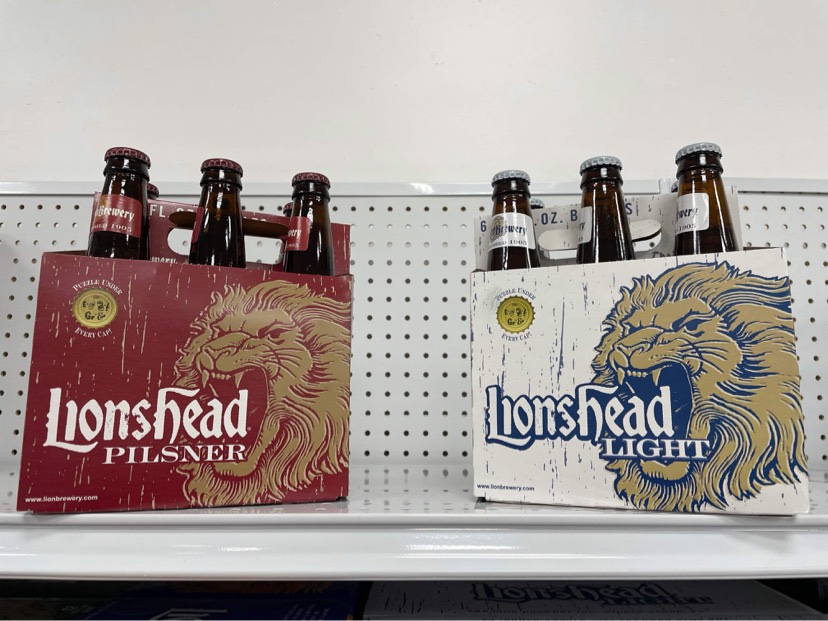
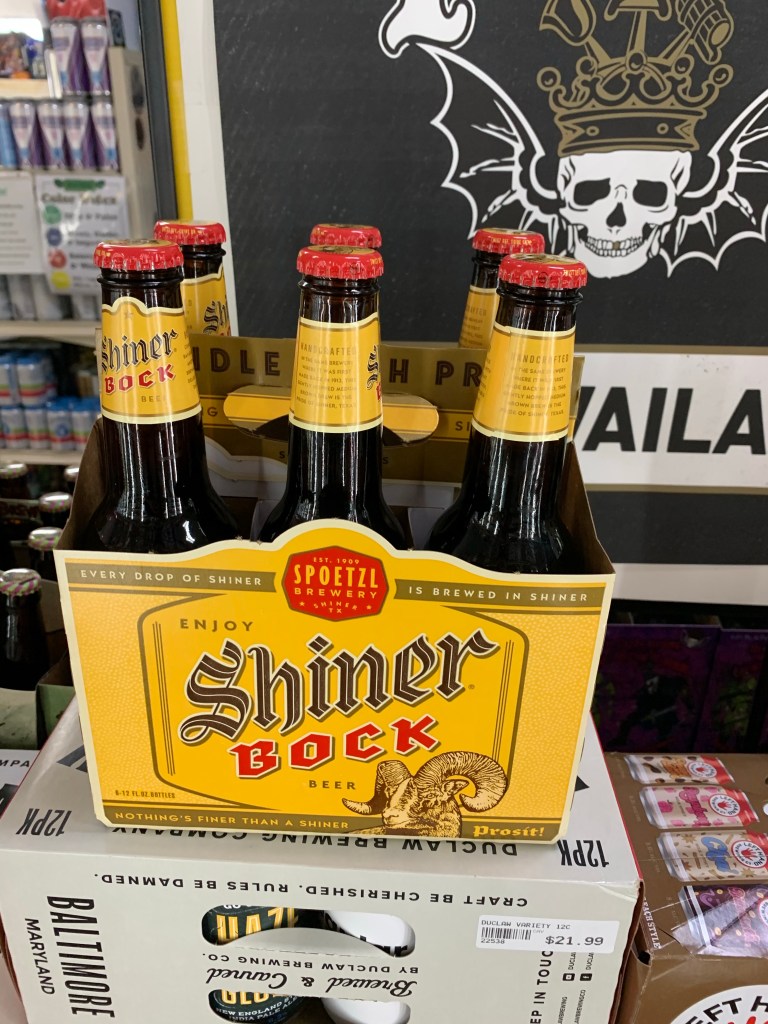
In the ensuing years prior to probation, several more breweries would get their start. Dubuque Star Brewing in Iowa began in 1898, and is still making good Pale Ales. Lion in Wilkes-Barre has been brewing since 1905 and has a solid line up of good beer. In 1909 Spoetzl Brewing got their start in Shiner Texas. Their Shiner Bock has been a very popular beer among craft beer drinkers for a very long time. Last fall I finally got to try their Oktoberfest which was excellent!
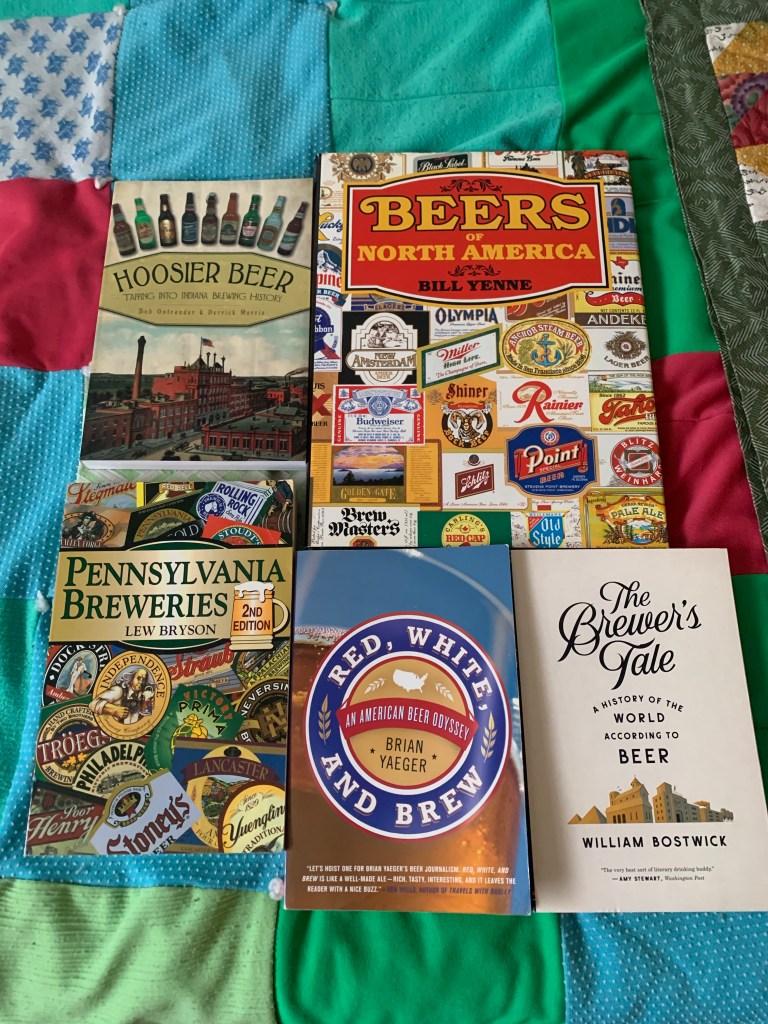
I had a lot of fun researching these breweries for this project. Certainly a lot of breweries got their start a long time ago, and I am happy they can be a part of the current craft beer movement. I enjoy beer from around the country, so I’m going to try to get beer in the coming months from the breweries that I mentioned that I have never tried. I used a lot of sources for this article, and I offer the picture below as my bibliography.
 So Much Beer So Little Time